

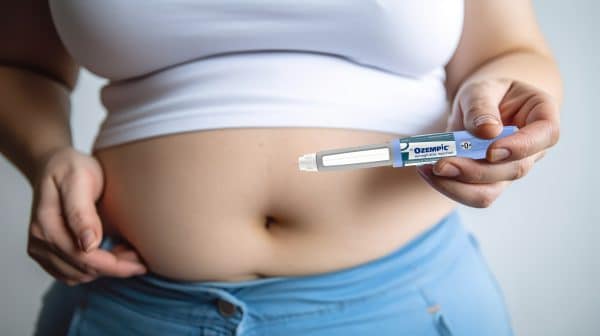
Important conversation highlighting the serious negative effects of Ozempic
This blog is based on an in-depth conversation between Jini Patel Thompson (Founder: Listen to Your Gut) and Natasha Trenev (Founder: Natren Probiotics). They discussed the profound damage caused by GLP-1 drugs like Ozempic, including effects on the digestive system, muscle and bone loss, and mental health.
Their findings highlight what people need to know and do when taking or stopping these medications.
👉 Topics covered:
- GLP-1 receptor agonists and their mode of action
- Stomach paralysis and gastroparesis
- Disturbance of the intestinal flora and chronic side effects
- Safe recovery protocols for digestion and overall health
What is Ozempic?
Ozempic belongs to a class of drugs known as GLP-1 receptor agonists.
It is designed to support blood sugar control in people with type 2 diabetes.
GLP-1 drugs like Ozempic mimic a natural hormone that helps regulate blood sugar levels and satiety. These GLP-1 drugs slow gastric emptying and lower blood sugar levels.

Ozempic and weight loss
Over time, Ozempic became a popular weight loss drug. A higher dose is used for weight loss.
However, this increased dose comes with many potential side effects. Recent reports and clinical studies have shown that these GLP-1 agonists can cause serious damage to the digestive system.
What happens to the stomach?
The drug paralyzes the stomach muscles. This condition is called stomach paralysis or gastroparesis. If the movement of food is stopped or slowed too much, it can cause food to build up in the stomach.
This undigested food can rot and cause nausea, bloating and stomach pain. Gastrointestinal side effects become more common the more medication you take.
Effects on the digestive tract
The digestive tract functions to move food smoothly from the stomach to the intestines. Ozempic disrupts this natural process. This leads to problems throughout the gastrointestinal tract.
Intestinal obstruction and intestinal obstruction have been reported in some cases. This can lead to stomach pain, constipation and loss of appetite.
Damage to the intestinal microbiome
The gut microbiome includes trillions of intestinal bacteria. These bacteria help digest food, support immune function, and influence mood. GLP-1 receptor agonists can disrupt this balance.
If food remains undigested, it becomes fuel for harmful bacteria. This change in gut microbiota impacts overall gut health and digestive health.
Emotional and mental effects
Gut health is linked to brain health through the gut-brain axis. The gut produces neurotransmitters such as serotonin and dopamine. These chemicals regulate mood and emotions.
When the microbiome is damaged, the production of these feel-good chemicals decreases. This can lead to depression, anxiety and suicidal thoughts.

Terms like “ozempic face” and “ozempic butt” have even been coined on social media to describe the visible effects of extreme weight loss caused by these popular medications.
Muscle and bone loss
GLP-1 drugs can reduce body weight by reducing muscle and bone mass. After discontinuing the drug, fat gain often occurs again, but no muscle or bone gain. This can increase the risk of falls and lead to long-term health problems.
Healthy bones and muscles are essential for metabolic health and overall health.
Possible risks and side effects
There are many potential risks associated with GLP-1 drugs:
- Gastroparesis (stomach paralysis)
- Intestinal obstruction
- Intestinal obstruction
- Inflammation of the pancreas
- Increased risk of pancreatitis
- heart attack
- Vitamin deficiency (A, B12, D, E)
- Suicidal thoughts
- stomach pain
- constipation or diarrhea
- Decreased urination
- Fatigue and dizziness
The Mayo Clinic and the University of British Columbia have studied these effects. Drug manufacturers such as Novo Nordisk are aware of the problems, but the use of these drugs remains widespread.
Is there a way to heal?
Yes, healing the digestive system is possible. The first step is to gradually stop taking the drug under the guidance of a healthcare provider. You cannot give up Ozempic completely as it can cause severe rebound effects and dangerous blood sugar spikes. At the same time, support the body's natural healing process. A probiotic protocol can help restore the gut microbiome.

Recommended recovery protocol
- Before every meal: 2 dairy-free Digestalac capsules (support digestion and movement of food)
- Daily: 1-2 Healthy Trinity capsules (rebuilding intestinal bacteria)
- Bone support: Bone matrix (provides bone-forming minerals that are absorbed through the mouth)
- Muscle support: Absorb Plus Shakes (help repair muscle tissue and prevent further muscle loss)
This plan promotes digestion, rebuilds gut bacteria, and supports bone and muscle health. Adding probiotic-rich foods and avoiding processed foods loaded with glyphosate can also improve results.

Customize your healing plan
Every person reacts differently to GLP-1 drugs. Most patients may require an individual plan. Some people experience a detoxification reaction (Herxheimer effect) when they start taking probiotics.
For people with chronic stress or autoimmune diseases, it's best to start slowly. A quarter dose may be enough at first.
Speak to a knowledgeable advisor for advice. Drug administration must be done carefully to avoid worsening symptoms. In case of serious side effects, timely medical attention is required.
Why the problem persists
The widespread use of these drugs highlights a deeper problem. People want quick solutions. However, weight gain is often caused by poor food quality, low nutrient intake, and emotional pain. Many take GLP-1 drugs hoping for quick results. You are not warned about the increased risk of serious illnesses.
Companies focus on profits, not healing. Senior healthcare brands offer education and personalized support. They believe in supporting the body in healing itself. Newer brands often copy pharmaceutical models and only treat symptoms.
Final thoughts
GLP-1 receptor agonists like Ozempic can cause serious damage to gut health and the digestive tract. These medications cause a range of gastrointestinal side effects, impact the gut microbiome, and can lead to irreversible damage.
Recovery is possible, but requires the right nutritional supplements, an individualized plan, and expert support. Use proven nutritional supplements like Natren probiotics, bone matrix for bone density lossand Absorb Plus against muscle loss.
Don't wait for serious problems. Start healing your gut today with safe and effective methods.
You may also be interested in:

Listen to your gut feeling
How Ozempic harms your gut and your health
Play episode
Pause episode

Mute/unmute episode
Rewind 10 seconds
1x
30 seconds fast forward
00:00
/
Subscribe

Jini Patel Thompson is an internationally recognized expert in natural healing for digestive diseases. She healed herself from widespread Crohn's disease and has been medication and surgery free for over 25 years. Jini has appeared on numerous podcasts, TV and radio shows in the US, UK, Canada and Australia, giving people hope and vision on how to heal their colitis, Crohn's disease, diverticulitis and irritable bowel syndrome (IBS) using all-natural methods. Her books on natural healing of digestive diseases have been sold in over 80 countries worldwide. Jini is married and has three children, nine sheep, 11 horses, a cat and three dogs.

