

Several patients ask me about the best diet for longevity and often expect a simple answer: Mediterranean, ketogenic, plant-based, or something else entirely. The truth is more nuanced. In obesity medicine and metabolic health, longevity is not determined by a “perfect” diet, but rather by sustainable eating habits that support metabolic health, muscle maintenance and long-term disease prevention.
The longevity diet concept focuses on nutrient-dense foods, balanced macronutrients, and metabolic stability to help you live not only longer, but healthier lives.
What is the Longevity Diet?
It is a nutritional approach that focuses on foods that support metabolic health, reduce the risk of chronic disease and promote healthy aging. The focus is on eating whole foods such as vegetables, healthy fats, lean proteins, legumes and whole grains, while limiting highly processed foods and added sugars. Studies of long-lived populations consistently show that a balanced, nutrient-rich diet plays a key role in extending lifespan and health.
The principles of this diet support metabolic health, which is a crucial indicator of both Lifespan and quality of life.
Why nutrition is important for a long life
Longevity isn’t just about avoiding weight gain. It’s about protecting the body from chronic diseases that shorten lifespan, such as: E.g. heart disease, diabetes and neurodegeneration.
Diet influences several key factors in longevity:
Metabolic Health
A balanced diet helps maintain stable glucose levels and insulin sensitivity. two markers closely linked to longevity.
Muscle preservation
Loss of muscle mass (sarcopenia) accelerates aging and metabolic decline. Adequate protein intake helps maintain muscle mass even as you age.
Longevity expert Dr. Peter Attia emphasizes that protein intake is particularly important for long-term maintenance of muscle and metabolic health. He recommends about 1.2-2.2 grams of protein per kilogram of body weight, especially for older adults or active people.
Reduced inflammation
A diet rich in whole foods and healthy fats can help reduce systemic inflammation that is associated with aging and chronic disease.
Scientists who study aging are increasingly recognizing that lifestyle plays an important role in long-term health. Research by aging biologist Linda Partridge has shown that metabolic and nutrient sensing pathways are closely linked to the aging process and can be influenced by factors such as diet and metabolism.
The Research suggests that maintaining a healthy metabolism through balanced diet, healthy weight management, and regular physical activity can contribute to healthier aging over time.
5 basic principles of the best diet for health and longevity
Clinically over the years Research has highlighted several nutritional principles that consistently support longevity.
Prioritize nutrient density
Focus on foods that provide vitamins, minerals, antioxidants and fiber rather than empty calories. Vegetables, berries, legumes and leafy greens are essential parts of a healthy diet for a long life.
Eat enough protein
Protein supports muscle maintenance and metabolic function. Without enough protein, it becomes more difficult to build or maintain muscle as you age.
Minimize refined carbohydrates
Highly processed carbohydrates such as sugary drinks, pastries and white bread can destabilize blood sugar levels and contribute to metabolic diseases.
Add healthy fats
Healthy fats from sources such as olive oil, nuts and fatty fish support heart health and hormone balance.
Personalize your diet
An important insight from longevity medicine is that no single diet works for everyone. According to longevity advocates Dr. Peter AttiaThe most effective diet is the one that best supports your individual metabolic health and is sustainable long-term.
The best foods for a longevity diet
The healthiest diet for longevity typically includes foods that support heart health, metabolic stability and reduction of inflammation.
The most important foods include:
- Leafy vegetables and cruciferous vegetables
- Berries and antioxidant-rich fruits
- Fatty fish like salmon and sardines
- Nuts and seeds
- Legumes and lentils
- Whole grains like quinoa and oats
- Extra virgin olive oil
Research shows that dietary habits rich in these foods are associated with lower rates of cardiovascular disease and longer lifespan.
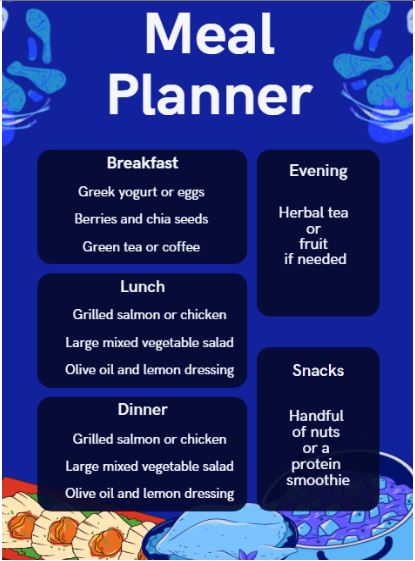
Example of a longevity diet meal plan
A practical diet meal plan doesn’t have to be restrictive. Instead, it should be balanced and sustainable.
| Breakfast | snack | Lunch | Evening | Dinner |
|
A handful of nuts or a protein smoothie |
|
If necessary, herbal tea or fruit |
|
This approach provides a balanced mix of proteins, fiber, healthy fats and micronutrients that support metabolic stability and longevity.
Beyond diet: Lifestyle is still important
Diet is only part of the longevity equation. Research It is becoming increasingly apparent that diet works best when combined with others healthy habitsincluding physical activity, good sleep and stress management.
Exercise, like go for a walk every dayIn particular, it has strong effects on longevity and improves cardiovascular health, insulin sensitivity and muscle mass.
In my practice, I often remind patients that the goal is not perfection, but rather consistent, sustainable habits that support long-term health.
The longevity diet starts with sustainable nutrition
The best diet for health and longevity isn’t about extreme restrictions. It’s about building consistent habits that support metabolic health, maintain muscle, and reduce the risk of chronic disease. When nutrition is combined with medical insights and individualized care, it is much easier to achieve long-term results.
If you’re looking for expert advice, explore the physician-led weight loss and metabolic health programs offered at Kinetix Medical Weight Loss and Wellness.

